

Oversized data center equipment is some of the most complex and high-value assets shipped today. From populated data server racks to coolant distribution units (CDUs) and power distribution units (PDUs), even a minor shipping issue can cause major operational and financial consequences.
Temperature fluctuations, dust, moisture vapor, physical stress, and electrical threats not only threaten equipment but can also cause downtime. Barrier foil packaging is now a critical part of data center logistics.
This article examines the hidden risks of transporting oversized data center equipment, get answers to common questions about each risk, and learn how barrier foil packaging can effectively protect your critical assets.
What Is Oversized Data Center Equipment?
These components are critical, expensive, and highly sensitive to environmental and physical exposure during transport.
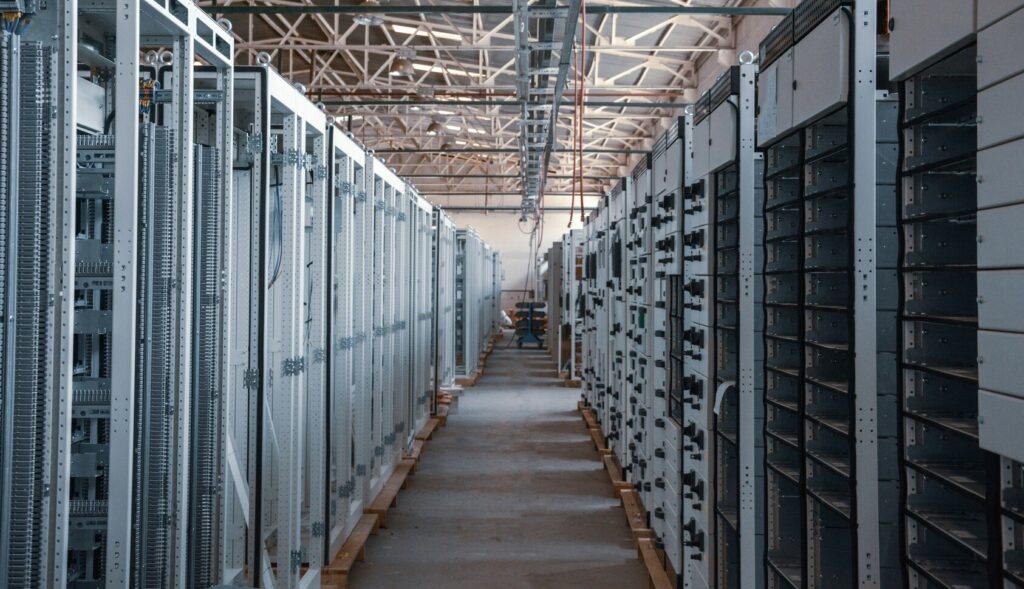
Oversized data center equipment includes large, heavy, and sensitive systems essential to digital infrastructure, such as:
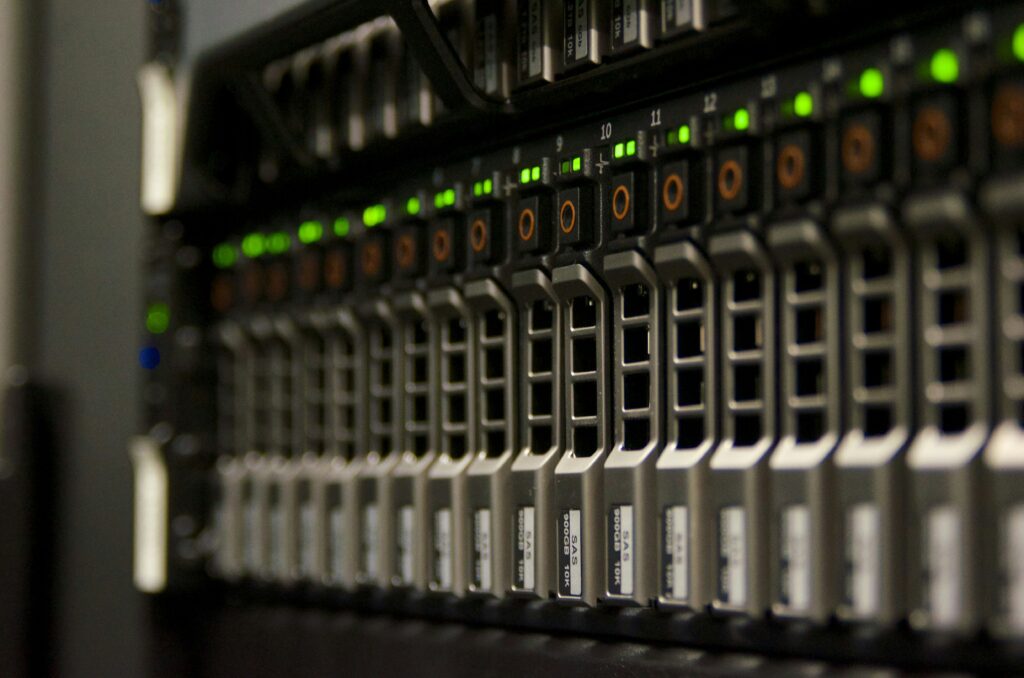
- Process and store vast volumes of structured and unstructured data
- Power applications and cloud computing environments
- Enable high-performance computing and secure data management
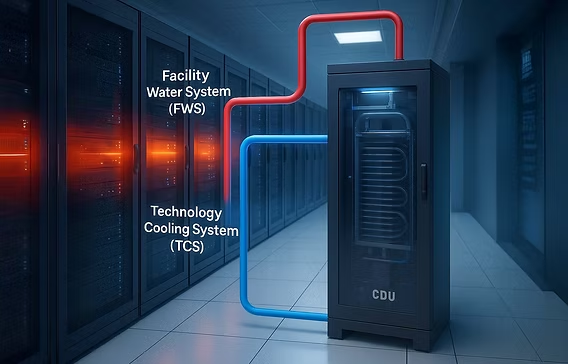
- Advanced air and liquid cooling systems for data center infrastructure
- Regulate optimal operating temperatures for servers and IT equipment
- Improve energy efficiency while preventing overheating risks
- Manage and distribute electrical power within server racks
- Provide load balancing and circuit protection
- Ensure reliable power delivery for uninterrupted data center operations
Risk #1: Dust and Debris Contamination
How does dust cause overheating?
Dust acts as an insulating layer inside electronic and mechanical equipment. This trapped debris prevents proper heat dissipation, causing internal temperatures to rise and increasing the risk of system failure, shutdowns, or fire hazards.
Why is restricted airflow a problem?
Dust buildup blocks ventilation systems and cooling pathways. Restricted airflow reduces heat exchange efficiency, leading to overheating, decreased operational performance, and premature equipment failure.
Can brief exposure to dust cause damage?
Yes. Fine dust particles can infiltrate sensitive components during loading, storage, or transport. Even short exposure may contaminate circuits, reduce reliability, and compromise long-term equipment performance.
How Barrier Foil Packaging Helps Protect Assets From Dust & Contaminants
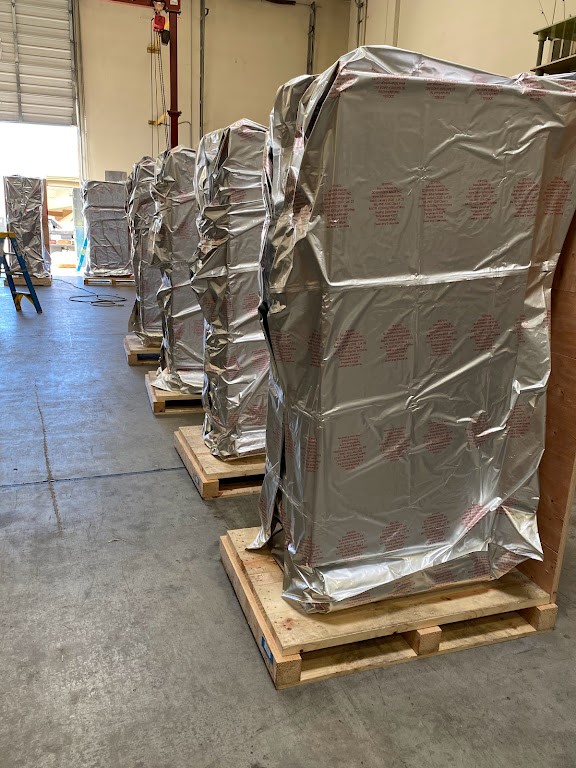
Barrier foil packaging creates a hermetic (or airtight) environment that prevents dust, debris, and airborne contaminants from entering. This protects cooling pathways and sensitive electronics during long international shipments or extended storage.
Risk #2: Moisture Vapor and Corrosion
Can moisture damage equipment even if it never gets wet?
Yes. Moisture vapor is one of the most underestimated threats in equipment transport. Even if the equipment appears dry, vapor can penetrate and cause long-term damage to sensitive components and circuits.
How does moisture vapor cause corrosion?
Moisture vapor can lead to corrosion of metal components, degrading connectors, fasteners, and other critical parts. Over time, this compromises structural integrity and functionality.
What other damage can moisture vapor cause?
Moisture vapor can degrade circuit boards and increase the likelihood of electrical failures. Left unchecked, it reduces reliability and lifespan of sensitive electronic equipment.
How Barrier Foil Packaging Helps Protect Assets From Moisture Vapor & Corrosion
Barrier foil packaging is intended to minimize WVTR and Oxygen Transmission Rate (OTR), significantly lowering moisture vapor and oxygen exposure. This protects against corrosion and oxidation during long transit or storage.
This makes barrier foil packaging especially effective for shipments that pass through different climates or extended warehousing.
Risk #3: Physical Damage From Weight & Sharp Edges
What mechanical challenges do oversized data center components create?
Oversized data center equipment presents unique mechanical challenges, including heavy loads, sharp corners, and exposed metal edges. These factors increase stress on packaging materials during transport and handling.
How does frequent handling impact packaging performance?
Repeated lifting, repositioning, and loading can strain protective materials. Frequent handling increases the likelihood of packaging fatigue, material weakening, and accidental damage during transit.
What are the most common packaging failures?
The most common failures include tears and punctures caused by sharp edges or weight stress. When packaging becomes compromised, exposure to dust, moisture, and environmental hazards can quickly jeopardize equipment integrity.
How Barrier Foil Packaging Helps
High-performance barrier foil packaging is designed for exceptional tear resistance and tensile strength, allowing it to withstand the physical stress of oversized, heavy equipment. Our packaging resists punctures and maintains integrity under harsh handling, protecting equipment from both physical and environmental exposure.
Why Minor Shipping Errors Cause Major Damage
In data center logistics, small failures escalate quickly. A brief exposure to dust restricts cooling. A small tear allows moisture vapor in.
Barrier foil packaging helps eliminate these cascading risks by serving as a single, comprehensive protection system that provides both climatic and physical protection.
How Barrier foil Packaging Reduces Data Center Shipping Risk
To minimize risk when shipping oversized data center equipment, barrier foil packaging provides:
- Hermetic sealing to block dust and debris
- Low WVTR & OTR to prevent corrosion
- Mechanical strength for heavy, sharp-edged equipment
Shipping oversized data center equipment isn’t only about moving freight; it’s about protecting critical infrastructure. Barrier foil packaging transforms packaging from a basic covering into a strategic risk-mitigation solution.
When a minor shipping error can result in major operational downtime, barrier foil packaging isn’t optional; it’s essential. Contact us today to protect your assets.