

Table of Contents
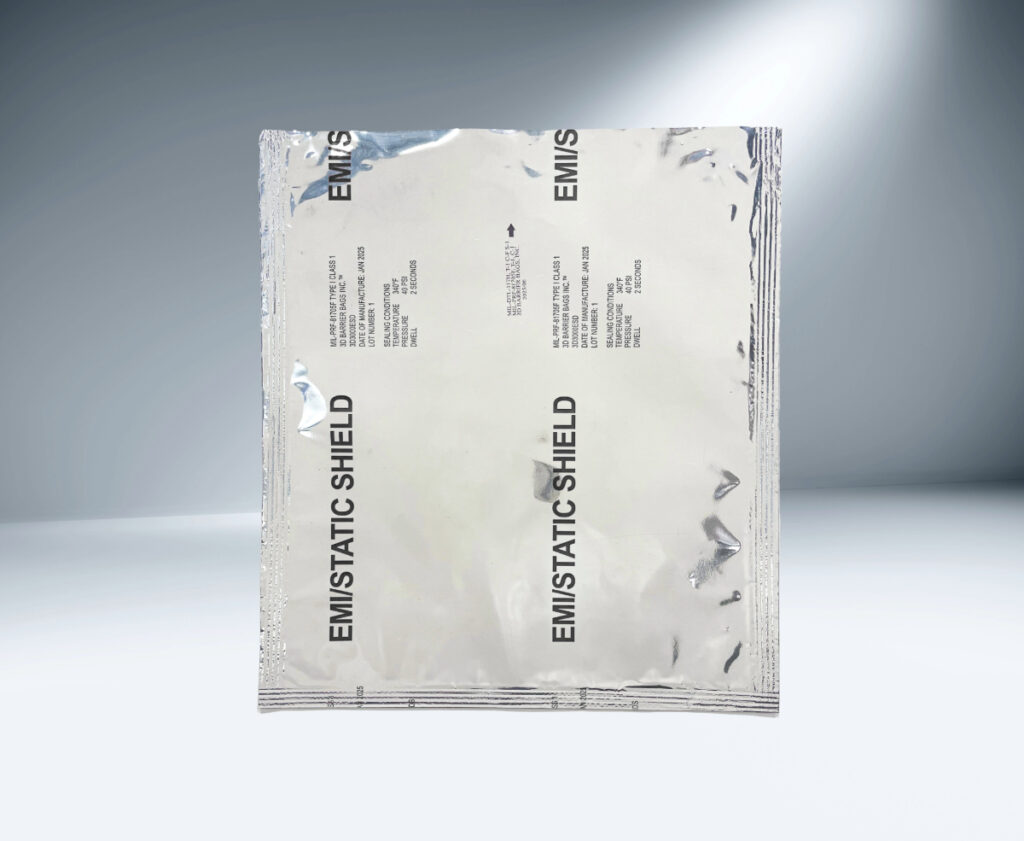
Electronic components are becoming smaller, faster, and more sensitive to environmental damage. Whether you’re shipping semiconductor devices, military electronics, telecommunications equipment, or industrial machinery, two of the greatest threats during storage and transportation are moisture vapor and electrostatic discharge (ESD).
Moisture can cause corrosion and long-term reliability issues. Static electricity can permanently damage sensitive electronic components, often without any visible signs of failure. Together, these environmental hazards can result in costly product failures, warranty claims, and downtime.
The most effective way to protect electronics is to combine static-dissipative and static-shielding moisture-barrier packaging, proper humidity control, and proven packaging best practices.
This guide explains how moisture barrier bags work, when to use military-grade packaging materials such as MIL-PRF-81705, and how manufacturers can improve protection during storage and shipping.
Why Moisture Vapor Damages Electronics
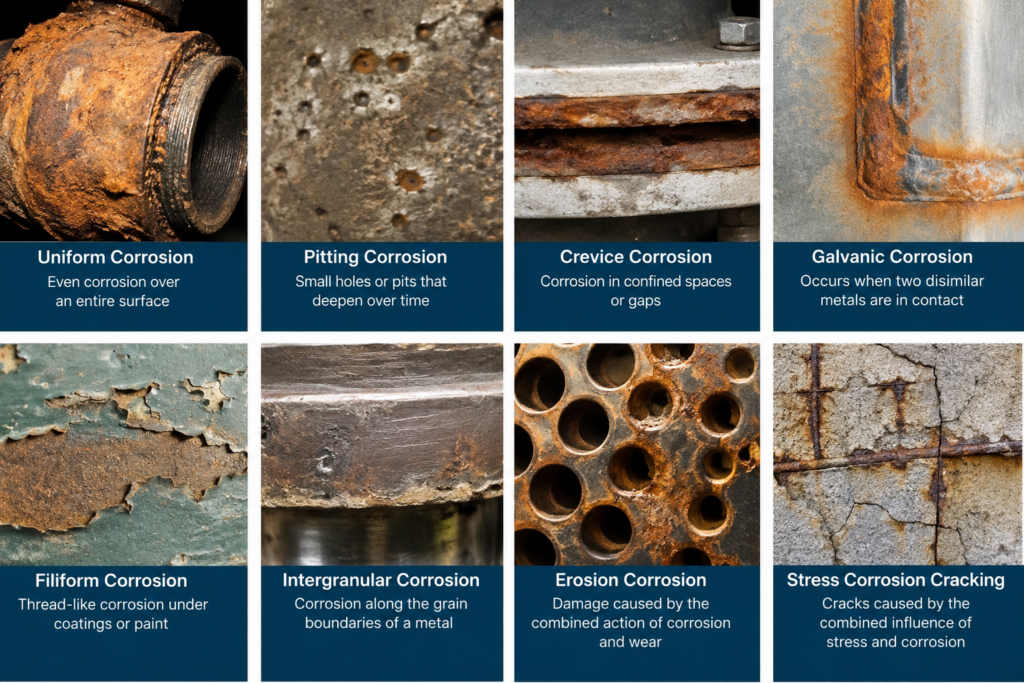
Even small amounts of moisture vapor can negatively impact electronic assemblies and components. Water vapor can enter conventional packaging over time, creating an environment conducive to corrosion.
Moisture-related failures include:
- Corrosion on metal
- Oxidation of solder joints
- Premature component failure
Humidity becomes an even greater concern during international shipping, long-term storage, military preservation, and changing environmental conditions.
Without adequate climatic protection, electronic assemblies can deteriorate long before they are installed.
How Static Electricity Damages Electronics
Electrostatic discharge (ESD) occurs when an electric current moves between two objects with different electrical charges. Many electronic components are damaged by static charges that are far below the threshold a person can feel.
Sensitive devices include:
ESD damage may cause immediate failure or latent defects that reduce product reliability and shorten service life. For this reason, ESD protection is a critical part of electronics packaging.
Why Electronics Need Protection from Both Moisture Vapor and Static Electricity
A common misconception is that an anti-static bag provides complete protection for electronic components. In reality, standard anti-static bags primarily help reduce electrostatic discharge but typically do not provide a high-performance moisture barrier.
For applications involving long-term storage, export shipping, military equipment, aerospace electronics, or high-value components like semiconductor equipment, manufacturers often require packaging that provides both:
- Moisture vapor protection
- Static dissipative materials
- Static shielding materials
Moisture barrier bags manufactured with MIL-PRF-81705F are specifically designed to address these concerns by combining multiple protective layers into a single packaging solution.
What Is a MIL-PRF-81705 Moisture Barrier Bag?
MIL-PRF-81705 is a U.S. military performance specification for materials that protect static-sensitive components from water vapor, static electricity, and electromagnetic interference.
These materials are engineered to provide:

Excellent moisture vapor resistance

ESD protection & Electrostatic interference (EMI) shielding

Heat sealable

High puncture resistance
Unlike standard anti-static bags, MIL-PRF-81705F materials are tested to strict military performance requirements to ensure consistent protection in demanding environments.
MIL-PRF-81705 Features
| Feature | Benefit |
|---|---|
| Moisture Barrier | Helps prevent water vapor from reaching sensitive electronic assemblies, reducing the risk of corrosion and moisture-related failures. |
| Static Dissipative | Reduces electrostatic discharge (ESD) risk by safely dissipating static charges that can damage electronic components. |
| EMI Shielding | Helps shield electronic assemblies from electromagnetic interference (EMI), protecting sensitive devices during storage and shipment. |
| Heat Sealable | Creates an enclosed hermetic environment when properly sealed to maximise moisture and contaminant protection. |
| Military Performance Tested | Meets stringent military packaging requirements for barrier performance, durability, and long-term equipment protection. |
| Durable Construction | Resists punctures, tears, and handling damage during shipping, storage, and military logistics operations. |
How Moisture Barrier Bags Work
Moisture barrier bags use multiple layers, each performing a specific function. Together, these layers slow moisture transmission while safely dissipating and shielding electrostatic charges.
When properly sealed with desiccant and humidity indicators, moisture-barrier bags help maintain a controlled internal environment that protects electronics during storage and shipment.
Best Practices for Protecting Electronics During Shipment & Storage
Packaging material alone is only part of the solution. Proper packaging procedures significantly improve protection.
Recommended best practices include:

1. Use a Moisture Barrier Bag
Choose packaging specifically designed for moisture-sensitive electronics rather than standard poly or anti-static bags.
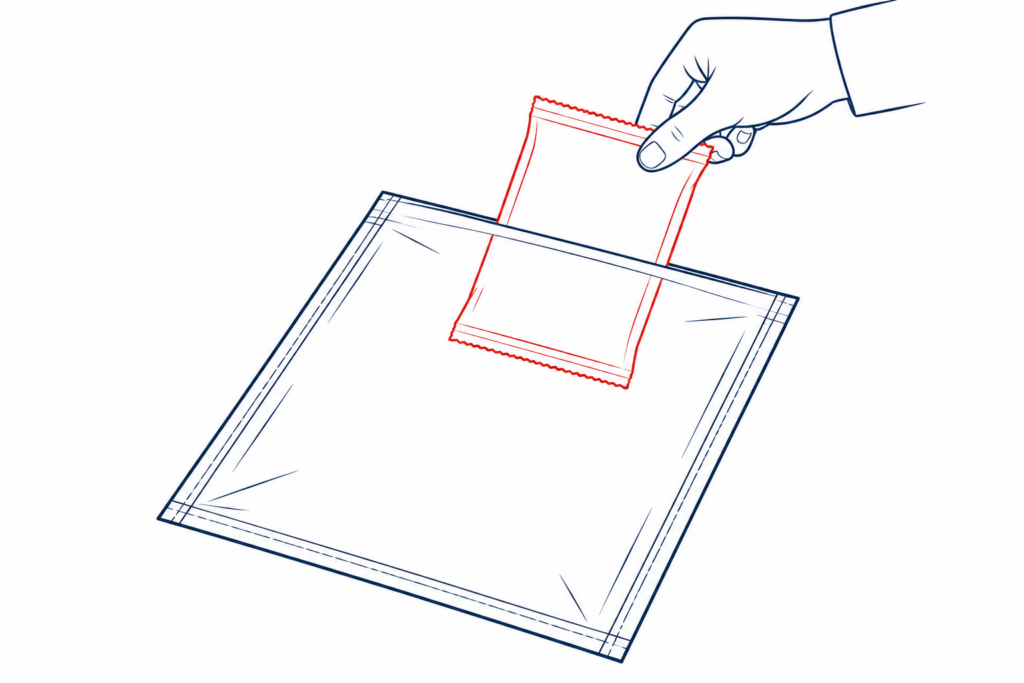
2. Add Desiccant
Desiccant absorbs residual moisture trapped inside the package after sealing. The amount of desiccant required depends on:
- Package size
- Storage duration
- Shipping environment
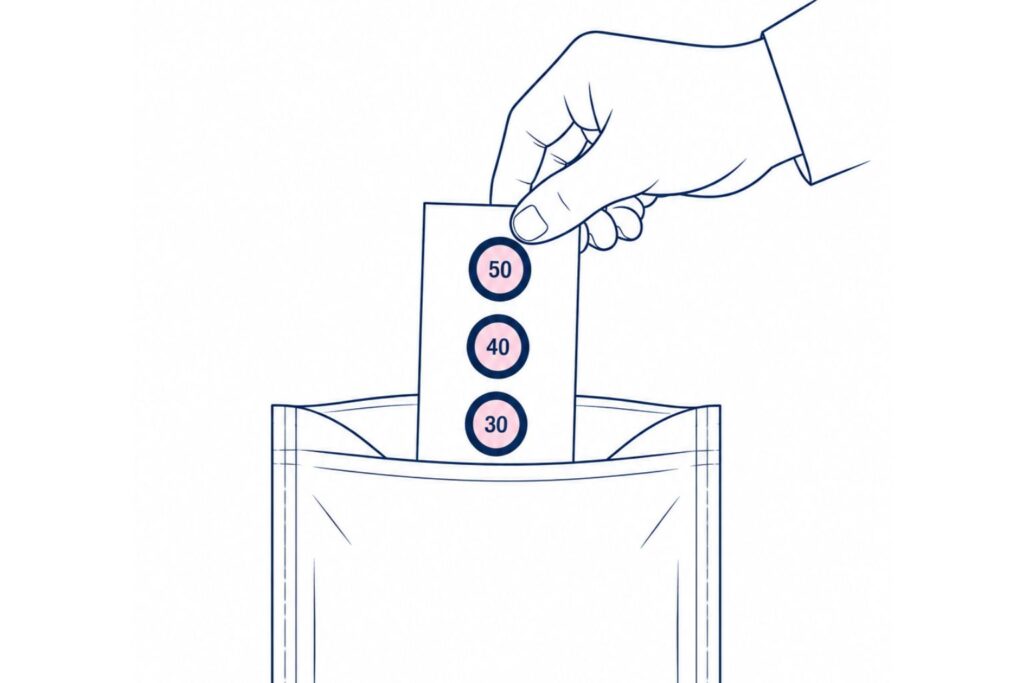
3. Include a Humidity Indicator Card
Humidity indicator cards should be placed inside the bag prior to sealing to maintain the integrity of the barrier material and ensure accurate monitoring of the internal environment. If external humidity monitoring is required, a reusable outer bag can be fitted over the MIL-PRF-81705F bag and equipped with a reusable screw-in or card humidity indicator, allowing conditions to be monitored without compromising the primary barrier.
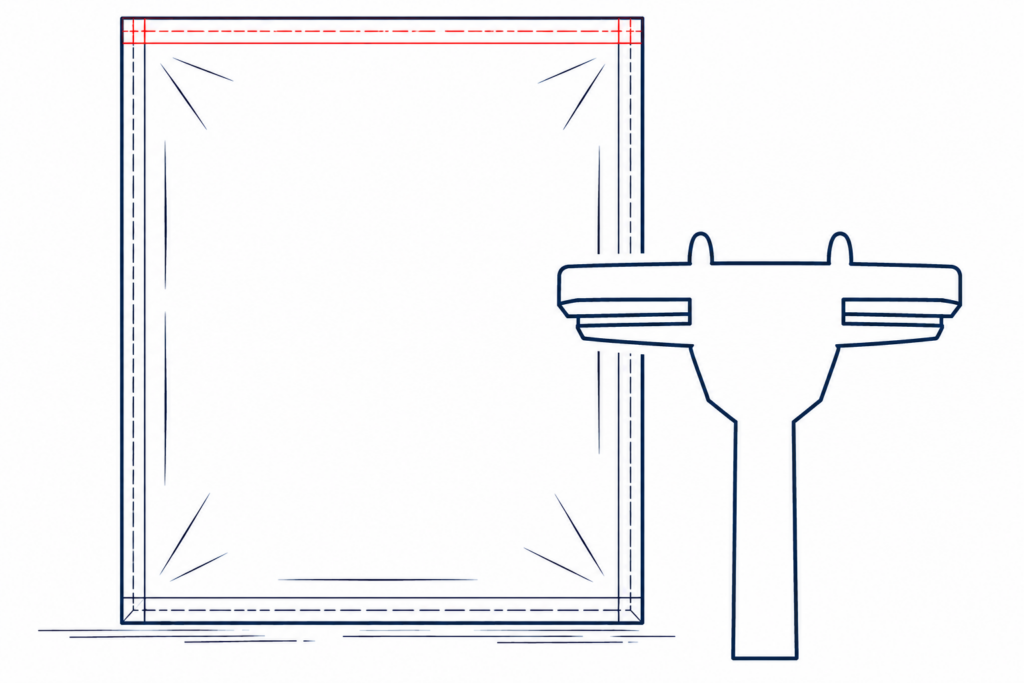
4. Heat Seal the Package
Proper heat sealing minimizes moisture ingress and helps maintain the integrity of the barrier system.
Following these steps helps maximize your product’s long-term protection.
Industries That Depend on Moisture Barrier Packaging
Moisture barrier bags are widely used across industries where equipment reliability is critical. These include:
- Electronics manufacturing
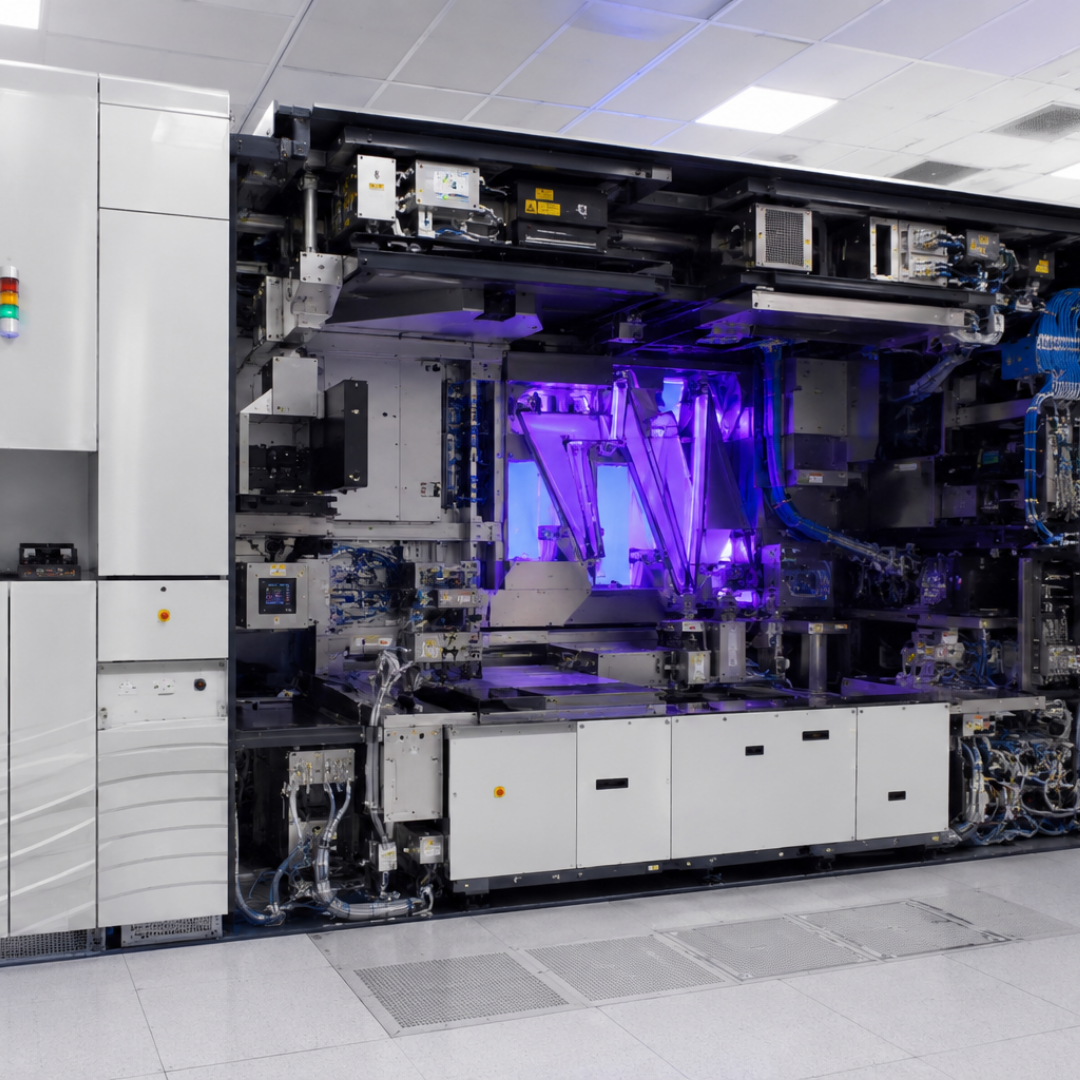
- Semiconductor & capital equipment manufacturing
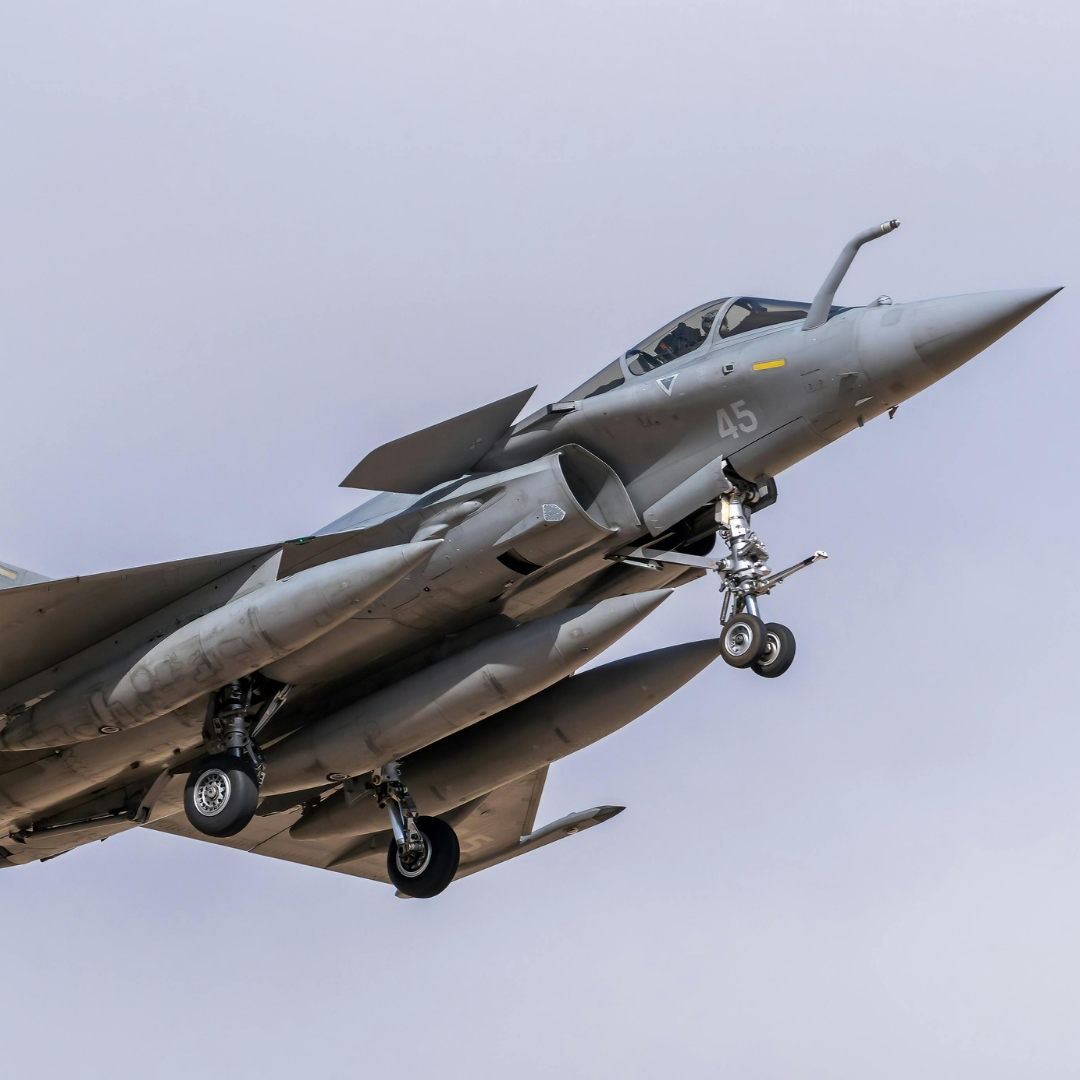
- Defense
- Aerospace
- Medical devices
- Data centers & peripherals
- Industrial automation
- EV battery manufacturing
- Government agencies
- Contract manufacturers
- OEMs
Each industry has unique preservation requirements, making material selection important.



Choosing the Right Military Barrier Material
Different military specifications are designed for different preservation needs.
| Material | Typical Application |
|---|---|
| MIL-PRF-81705 | Ideal for moisture-sensitive electronics, printed circuit boards, semiconductor components, military electronics, and other assemblies requiring both moisture barrier protection and electrostatic discharge (ESD) shielding and electromagnetic interference (EMI). |
| MIL-PRF-131 | Designed for long-term moisture and corrosion protection of metal parts, aerospace components, defence equipment, machinery, and export packaging where static protection is not required. |
Selecting the appropriate material depends on:
- Storage duration
- Product sensitivity
- Electrostatic requirements
- Environmental exposure
- Military or commercial specifications
Why Material Manufacturing Matters
Not all barrier bag suppliers manufacture the barrier material they convert into finished bags. Some companies purchase pre-manufactured laminates from third parties and simply fabricate them into bags.
3D Barrier Bags, Inc. manufactures both the barrier material and converts the finished packaging from our own QPD-listed materials. Manufacturing and converting barrier materials within the same organization provides several advantages:
- Greater quality control
- Improved material consistency
- Faster production
- Fully customizable
These advantages are especially valuable when packaging high-value electronics or products requiring military-grade performance.
How 3D Barrier Bags, Inc. Supports Electronics Manufacturers
3D Barrier Bags, Inc. manufactures and converts our own barrier materials, including MIL-PRF-81705F and other military-approved barrier laminates, allowing customers to source both the material and the finished packaging from a single manufacturer.
Our capabilities include:
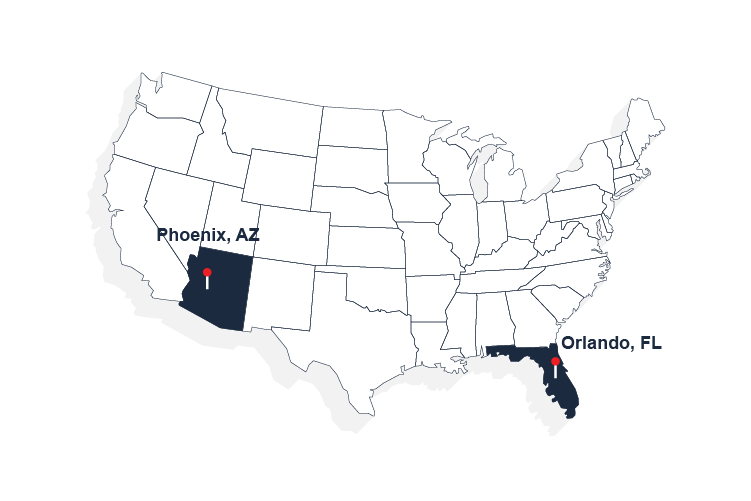
- Two U.S. manufacturing facilities located in Orlando, FL and Chandler, AZ
- Manufacturing and converting proprietary barrier materials
- MIL-PRF-81705 barrier materials
- MIL-PRF-131 barrier materials
- MIL-DTL-117 bag fabrication
- Custom bag sizes with no minimum order quantities
- Heat sealable barrier bags
- Static dissipative moisture barrier bags
- Support for custom applications
- Fast production and short lead times
- ISO 9001 certified facilities
Protect Your Electronics with the Right Barrier Packaging
Protecting electronics from moisture vapor and electrostatic discharge requires more than choosing the right bag, it requires selecting the right packaging environment.
Military-grade moisture-barrier materials, proper sealing methods, desiccants, humidity monitoring, and expertise all play important roles in preserving sensitive electronic equipment. Choose the right packaging approach to protect electronics from moisture vapor and electrostatic discharge.
Whether you’re packaging semiconductor equipment, populated data centers, aerospace assemblies, military equipment, telecommunications systems, or industrial electronics, choosing a packaging partner that both manufactures and converts high-performance barrier materials can help improve product reliability, shorten lead times, and simplify your supply chain.
If you’re evaluating moisture barrier packaging for your application, our dedicated customer support team can help you identify the most appropriate material and fabrication method based on your product, storage environment, and performance requirements. Contact us today.
Frequently Asked Questions
How do I protect electronics from moisture and static electricity?
The most effective approach is to package electronics inside a static-dissipative, static-shielding moisture-barrier bag, include the appropriate desiccant and humidity indicator, and heat-seal the package to create a controlled, hermetic environment.
Do all anti-static bags protect against moisture?
Standard anti-static bags primarily provide protection against electrostatic discharge but generally do not offer the low moisture vapor transmission rates required for long-term moisture protection.
What is the difference between an anti-static bag and a moisture barrier bag?
Anti-static bags reduce electrostatic discharge, while moisture barrier bags are designed to significantly reduce moisture vapor transmission. MIL-PRF-81705 moisture barrier bags provide both moisture vapor protection and static dissipative performance.
Should I use desiccant with moisture barrier bags?
Yes. Desiccant removes residual moisture vapor trapped inside the package and helps maintain a low-humidity environment throughout storage and transportation.
What packaging is used for military electronics?
Military electronics are often packaged using barrier materials manufactured to specifications such as MIL-PRF-81705 and MIL-PRF-131.